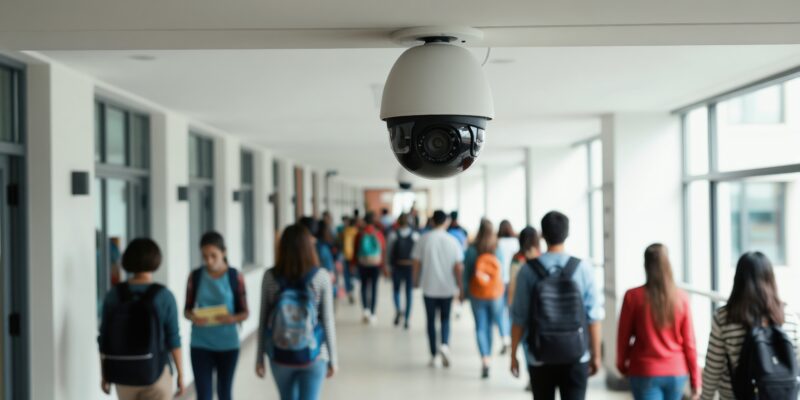

Security Camera in Hallway

What Powers a Modern Commercial CCTV System Across New Jersey Facilities

Maffey’s Security Group designs and installs advanced commercial video surveillance systems across New Jersey, with deep expertise throughout Northern and Central New Jersey. Our solutions deliver reliable visibility, stronger security, and seamless integration for modern commercial facilities. 

From office buildings and healthcare centers to warehouses and multi-site portfolios, today’s CCTV systems provide actionable intelligence that strengthens safety and streamlines operations. 

Businesses rely on these systems to deter threats, document incidents, and maintain full visibility across critical areas.

Key Takeaways

  • Modern commercial video surveillance systems rely on IP cameras, NVRs, and PoE infrastructure for scalable performance.
  • Night vision technologies deliver clear footage in low-light and no-light conditions.
  • Wired PoE systems provide stability, while wireless options support flexible deployments.
  • Effective planning includes site walks, storage analysis, and network evaluation.
  • Integration with access control and alarm systems improves response and operational efficiency.

Core Components That Power Modern CCTV Systems

Understanding CCTV technology helps New Jersey facility managers achieve reliable, scalable, and long-term security performance. These systems align with recognized standards from the National Institute of Standards and Technology. When properly designed, each component works together to deliver clear footage, intelligent alerts, and dependable system uptime.

This coordinated approach ensures consistent protection across commercial environments of every size.

Camera Types and Strategic Placement

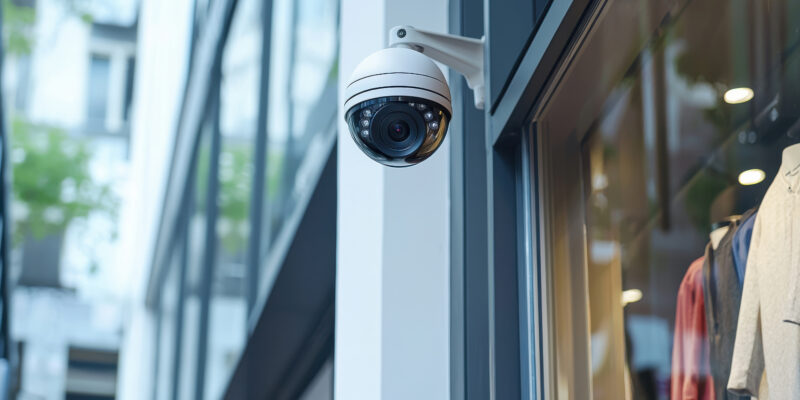
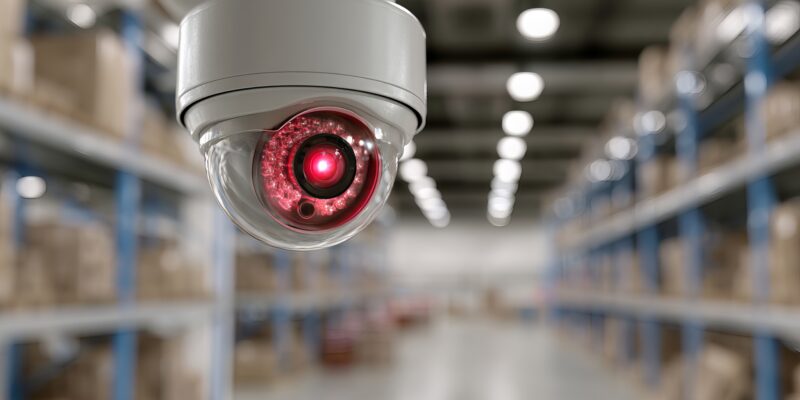
Dome cameras protect interior spaces such as offices, corridors, and reception areas. Bullet cameras secure perimeters, parking lots, and building exteriors with visible deterrence.

PTZ cameras monitor large areas like warehouses and distribution yards with dynamic zoom and movement. Proper lens selection and mounting height are essential for capturing usable detail.

Well-designed CCTV systems, combined with durable specialized hardware, ensure complete and reliable coverage across Northern and Central New Jersey, and surrounding commercial regions.

IP Systems, NVRs, and PoE Infrastructure

IP-based surveillance systems deliver superior image quality, scalability, and remote accessibility. Network Video Recorders manage video streams efficiently while enabling advanced analytics and secure storage.

Power over Ethernet simplifies installation by delivering power and data through a single cable. Managed switches and VLAN configuration further enhance performance and security. This streamlined approach improves reliability, reduces infrastructure costs, and aligns with structured cabling standards from the Telecommunications Industry Association.

Night Vision and AI-Driven Analytics

Modern cameras use infrared illumination and starlight sensors to produce clear footage in near-total darkness. Wide dynamic range improves visibility in challenging lighting conditions such as entrances and loading docks.

AI-driven analytics distinguish between people, vehicles, and environmental motion, significantly reducing false alerts. These intelligent features enable faster investigations and smarter monitoring across multiple locations.

The approach aligns with security planning best practices from the Cybersecurity and Infrastructure Security Agency.

Key Planning Steps for CCTV System Success

A structured approach ensures commercial video surveillance systems perform reliably and scale with business growth across New Jersey facilities.

Proper planning minimizes blind spots, reduces long-term costs, and ensures seamless integration with existing infrastructure. It also improves user adoption and operational efficiency from the first day of deployment.

Conduct a Comprehensive Site Walk

A professional site walk evaluates lighting conditions, building layouts, traffic patterns, and potential vulnerabilities. It also reviews mounting surfaces, power availability, and environmental factors such as weather and vibration. This process identifies optimal mounting locations and cabling routes while eliminating coverage gaps. 

Across Northern and Central New Jersey, site assessments ensure surveillance systems deliver consistent and dependable performance from day one.

Evaluate Network Capacity and Storage Needs

High-resolution cameras generate significant data and require robust network infrastructure.

Proper evaluation includes bandwidth analysis, switch capacity review, and VLAN configuration when needed. Storage planning considers resolution, frame rate, compression, and retention requirements. Cloud and hybrid storage options can further enhance redundancy and accessibility.

These steps support seamless integration with commercial alarm systems and ensure stable, uninterrupted operation.

Design for Integration and Future Growth

Integrated security systems deliver greater visibility and faster response times.

Connecting CCTV with advanced access control systems enables event-based video recording and real-time verification. Integration with building management and monitoring platforms can further enhance operational insight.

Planning for future expansion with spare network capacity and scalable recorders allows New Jersey businesses to grow without costly system overhauls or operational disruptions.

Upgrade Your Commercial Video Surveillance System With Confidence

Maffey’s Security Group delivers expertly designed commercial video surveillance systems throughout Northern and Central New Jersey, including Union County, Essex County, Middlesex County, and Somerset County. 

Our team manages every phase, from consultation and design to installation and long-term support. We tailor each solution to your facility, compliance requirements, and future growth plans.

With decades of experience and a commitment to reliability, we help organizations maintain secure, efficient, and well-monitored environments. Contact us to speak with a specialist and schedule a site assessment.

Frequently Asked Questions

What is the difference between an NVR and a DVR in a commercial surveillance. system?

An NVR connects to IP cameras over a network and supports advanced analytics and high-resolution video. A DVR connects to analog cameras using coaxial cable and offers fewer features and less scalability.

How much storage does a commercial CCTV system need?

Storage depends on camera count, resolution, frame rate, and retention goals. Most businesses require 30 to 90 days of storage, while regulated industries often need longer retention to meet compliance and security requirements.

Do commercial wireless video surveillance systems work for permanent installations?

Wireless systems work well in temporary setups or areas where cabling is impractical. However, wired PoE systems provide greater reliability, stronger security, and easier scalability, making them ideal for permanent commercial installations.

Is Maffey’s Security Group properly licensed in New Jersey?

Yes. Maffey’s Security Group operates under Continental Fire & Safety Service and holds NJ Fire, Burglar, & Locksmith License #34AL0000530. Proper licensing ensures commercial video surveillance systems are installed and serviced in compliance with New Jersey regulations.

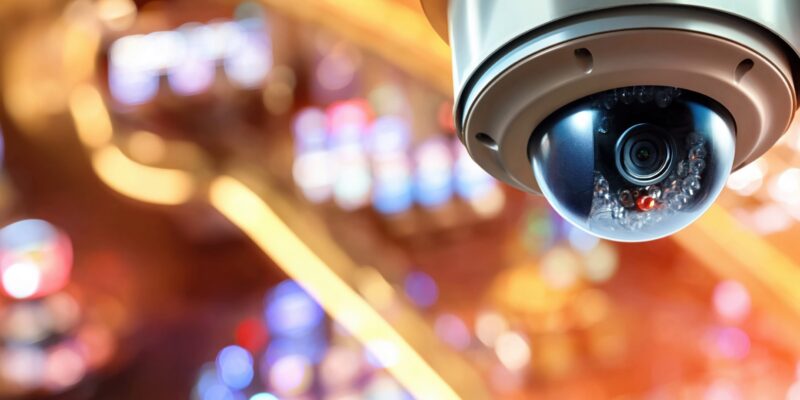
A dome security camera is positioned high up

Commercial Security Systems for NJ Businesses: Access Control, CCTV, and Alarm Planning

At Maffey’s Security Group, we help businesses across Northern and Central New Jersey design and implement integrated commercial security systems. These systems combine access control, CCTV, and burglar alarm monitoring. A well-planned, layered approach protects your facility at every entry point with reliable, long-term performance.

Key Takeaways

  • Integrated planning of access control, CCTV, and alarms strengthens protection for commercial properties.
  • A professional site assessment identifies vulnerabilities, traffic patterns, and optimal equipment placement.
  • Access control improves security while reducing risks from lost, stolen, or shared credentials.
  • Strategically placed CCTV cameras deter incidents and provide valuable visual evidence.
  • Working with a licensed, full-service provider ensures compliance, reliability, and long-term support.

How NJ Businesses Plan Access Control, CCTV, and Alarms

Effective security planning begins with understanding how each component works together. Businesses across Northern and Central New Jersey benefit from a layered approach that aligns physical security with daily operations and recognized security risk management guidance from the National Institute of Standards and Technology (NIST) Risk Management Framework.

Start With a Professional Site Assessment

Every effective commercial security system starts with a detailed on-site evaluation.

In Elizabeth, New Jersey, security professionals assess entry points, lighting, layout, and daily workflows. This process identifies risks and supports a tailored design instead of a generic equipment package. It also helps determine the right mix of commercial alarm systems and related technologies.

A thorough assessment also considers future expansion, employee growth, and evolving security risks. Planning for scalability ensures your system remains effective and cost-efficient as your business grows.

Access Control Manages Who Enters and When

Access control systems manage who can enter specific areas based on role, schedule, and location. Businesses use credentials such as key fobs, cards, and mobile access. These systems suit offices, warehouses, healthcare facilities, and multi-tenant properties across New Jersey.

Modern access control solutions provide real-time control, audit trails, and role-based permissions aligned with NIST guidance. They also simplify employee onboarding and offboarding by allowing administrators to update permissions instantly. This reduces administrative burden while improving overall building security and accountability.

CCTV Provides Visibility and Accountability

Commercial CCTV systems monitor entrances, parking areas, loading docks, and sensitive interior spaces. Proper placement reduces blind spots and supports investigations with clear video evidence. Integrated platforms connect cameras with alarms and access events for faster response. Well-designed CCTV systems follow surveillance and deterrence principles from the U.S. Department of Homeland Security.

Modern systems also support remote viewing, smart alerts, and high-definition recording. These features help managers respond quickly to incidents and maintain better operational awareness across their facilities.

What to Do Before Choosing a Commercial Security Partner

Choosing the right security partner is as important as selecting the right technology. New Jersey businesses should evaluate providers based on licensing, service capabilities, and long-term support to ensure reliable performance and regulatory compliance.

Verify Licensing and NJ Code Compliance

In New Jersey, companies that install and service burglar alarm systems must hold a valid state license through the NJ Division of Consumer Affairs. Verifying this license helps ensure your system meets regulations, passes inspections, and maintains insurance compliance. 

This step reduces risk for property owners and facility managers. Maffey’s Security Group operates under NJ Fire, Burglar, & Locksmith License #34AL00005300 and works in coordination with Continental Fire & Safety Service for compliant fire protection services. 

This confirms your provider understands local codes, permitting processes, and inspection requirements that vary by municipality.

Ensure Ongoing Service and System Integration

A dependable provider should offer ongoing maintenance, monitoring, and technical support. Providers that clearly outline the systems they service demonstrate long-term accountability. Integrated platforms that unify access control, CCTV, and alarms streamline management and improve incident response across one or multiple locations. 

Regular maintenance and software updates help prevent downtime and ensure your security system continues to perform at its best.

Choose a Single-Source Security and Fire Partner

Working with a single-source provider for security and coordinated fire protection simplifies projects and inspections. This approach reduces administrative complexity and supports consistent compliance. It also aligns with nationally recognized life-safety standards from the National Fire Protection Association.

A unified provider improves communication between trades, reduces scheduling conflicts, and helps ensure all life-safety and security systems operate seamlessly together.

Protect Your Northern and Central New Jersey Business With a Trusted Security Partner

Work with a provider that understands the unique security needs of New Jersey businesses. A locally based team delivers responsive service, code compliance, and dependable, long-term solutions. Maffey’s Security Group has protected businesses since 1910 with expertly designed commercial security systems.

From access control and CCTV to monitored alarm systems and commercial locksmith services, we provide reliable protection and responsive support.

Contact us to request a quote and schedule a professional site assessment.

Frequently Asked Questions

What does a commercial security system include?

A commercial security system typically includes access control, CCTV surveillance, and monitored burglar alarms. Many facilities also add intercoms, gate operators, and integrated fire alarm systems to improve security, streamline access, and support regulatory compliance.

How much do commercial security systems cost in NJ?

Costs vary based on building size, system complexity, and the number of doors and cameras. Most commercial systems range from several thousand to tens of thousands of dollars, plus monthly fees for monitoring, maintenance, and software services.

What is the difference between commercial and residential security systems?

Commercial systems support more users, doors, and cameras than residential systems. They include advanced access control, larger surveillance networks, and must meet commercial building codes and operational requirements not typically required in homes.

Why is professional monitoring important for businesses?

Professional monitoring ensures alarms are verified, and emergency services are dispatched quickly, even when a facility is unoccupied. This continuous oversight helps reduce losses, supports insurance requirements, and provides documented response procedures for stronger risk management.

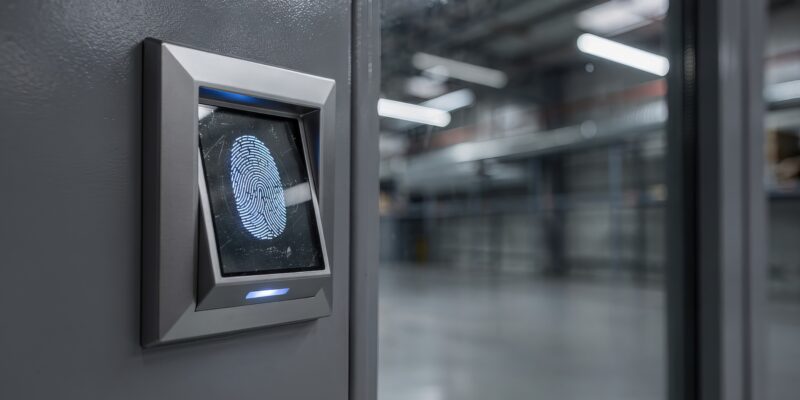
Biometric Fingerprint Scanner for Secure Access Control System.

How Commercial Access Control Helps New Jersey Buildings Manage Entry, Security, and Liability Risk

At Maffey’s Security Group, we help commercial property owners across New Jersey control who enters their buildings and when. From Elizabeth, New Jersey, and Union County to surrounding areas, modern access control systems reduce unauthorized access, strengthen security, and support life safety.

Key Takeaways

  • Commercial access control systems manage entry using keycards, keyfobs, PIN codes, biometrics, and mobile credentials.
  • Audit logs track every access event, helping organizations reduce liability and strengthen accountability.
  • New Jersey buildings must comply with NFPA 101 egress standards and ADA accessibility requirements.
  • A step-by-step planning approach ensures the right system architecture, scalability, and long-term performance.
  • Integrating access control with CCTV, alarms, gates, and intercoms creates a unified security strategy.

How Access Control Strengthens Entry Security and Reduces Liability

Modern commercial buildings face ongoing entry-related risks. Access control creates structure, visibility, and accountability at every controlled door. When combined with systems like commercial alarm systems, properties benefit from layered physical security that addresses intrusion detection and controlled entry.

What Commercial Access Control Systems Actually Do

A commercial access control system replaces traditional metal keys with electronic credentials. A reader mounted at the door communicates with a control panel. The panel verifies permissions in real time and either releases the lock or denies entry. Each transaction creates a time-stamped record tied to a specific user and door location. 

For commercial properties throughout Northern and Central New Jersey, this verification limits unauthorized access and creates a documented access history. When paired with intercom and paging systems, staff can confirm visitors before granting entry.

Why Keycards and Keyfobs Remain the Most Common Credential

Keycards and keyfobs remain common in commercial access control systems because they are cost-effective and easy to manage. Credentials can be issued quickly and deactivated remotely through secure software. 

When an employee leaves a company, access can be revoked immediately without rekeying doors. This eliminates rekeying costs and reduces administrative delays. In higher-security areas, credentials are often supported by video verification through integrated CCTV systems.

The Role of Audit Logs in Liability Management

Every entry attempt, approved or denied, is recorded in the system’s audit log. These logs show the user ID, door location, and the exact time of access. In the event of theft, property damage, or injury claims, this documentation can confirm or dispute reported timelines. 

For property managers and commercial landlords throughout Northern and Central New Jersey, a verifiable access record supports stronger liability management. Code compliance also plays a critical role, particularly under the NFPA 101 Life Safety Code, which governs egress requirements in occupied buildings.

Planning the Right Access Control System for Your Property

We design access control systems using a structured, step-by-step approach. This ensures long-term scalability, code compliance, and seamless operation for your facility. Federal accessibility standards, including the 2010 ADA Standards for Accessible Design, guide our hardware selection and system configuration.

Conduct a Door-By-Door Risk Assessment

We begin by evaluating every entry point in your building to determine the appropriate level of control. Our team assesses occupancy type, traffic patterns, sensitive areas, and after-hours exposure. This process ensures critical spaces are protected without overengineering low-risk doors. For properties across Northern and Central New Jersey with parking areas or loading zones, we extend protection using automatic gate operators.

Select the Right System Architecture and Platform

We determine whether a standalone or networked system best fits your facility. For most multi-door environments, we recommend networked access control for centralized management and scalability. 

We then help you choose between cloud-based and on-premise platforms based on your IT policies, security preferences, and operational needs, aligned with guidance from the Cybersecurity and Infrastructure Security Agency.

Integrate Access Control With CCTV and Gate Systems

We enhance system performance by integrating access control with video surveillance and perimeter controls. This allows events such as forced doors or repeated denied access attempts to trigger recordings and alerts in real time. The result is a unified, responsive security ecosystem that improves visibility, accountability, and overall protection.

Ready to Secure Your New Jersey Building’s Entry Points?

Security planning starts with a clear assessment of your building’s risk profile. Our team works with property managers, facility directors, and business owners throughout Northern and Central New Jersey. We design scalable access control systems that match operational and compliance needs.

Maffey’s Security Group has protected commercial properties since 1910. From our headquarters in Elizabeth, New Jersey, we design, install, and service commercial access control systems across Northern and Central New Jersey, as well as Eastern Pennsylvania and Northern Delaware. Our team manages system assessment, installation, programming, and ongoing support. 

If you manage a commercial building and want to evaluate your entry security, contact us to request a consultation.

Frequently Asked Questions

What types of credentials do commercial access control systems use?

Commercial access control systems use keycards, keyfobs, PIN keypads, biometric readers, and mobile credentials. The best option depends on building size, employee turnover, and the level of identity verification required at each entry point.

How much do commercial access control systems cost?

Costs vary based on door count, hardware, credential type, panel capacity, and cabling requirements. A detailed assessment helps determine the appropriate system scope and overall investment for your facility.

Do commercial access control systems have to comply with New Jersey building codes?

Yes. In New Jersey, access control hardware on egress paths must comply with NFPA 101. Doors must remain readily openable from the egress side while occupied. ADA hardware requirements also apply to accessible buildings.

Can access control systems integrate with existing security cameras?

Most modern commercial access control platforms integrate with CCTV systems. When connected, door events such as forced entry or repeated credential denial can trigger recording and notify designated facility personnel.

Maffey’s Security Group Joins the Confires Family

Maffey’s Security Partners With Confires Fire Protection

We are pleased to announce that Maffey’s Security Group has partnered with Confires, further strengthening our capabilities and commitment to the security and fire protection industry throughout New Jersey and Eastern Pennsylvania. A fourth-generation family enterprise operating since 1910, Maffey’s joins the rich Confires history, evolving from a full-service storefront locksmith operation to a mechanical and electronic security enterprise, and now expanding into fire protection services, which include:

  • Fire Alarm and Monitoring SystemsTop NJ Fire Protection Systems - Maffeys Security
  • Fire Sprinkler Systems
  • Fire Extinguishers
  • Kitchen Fire Suppression Systems
  • Special Hazard Fire Suppression Systems
  • Exit And Emergency Lighting

Together, we will offer our customers a truly integrated fire protection and security solution, amplifying the “single source” value we bring to the New Jersey marketplace.

FAQ

Who do I reach out to if I am interested in security services?

You can call one of our sales specialists at 908-351-1172 or email our team at [email protected].

How will this affect me as a current customer?

Your current services and contacts will not change. Our partnership will allow you to have a single source for all your security and fire protection needs.

What additional resources will this partnership provide me as a current customer?

You will benefit from using a state-of-the-art software called ServiceTrade to receive work orders and quotes via email, and ultimately delivering you a better customer experience.