
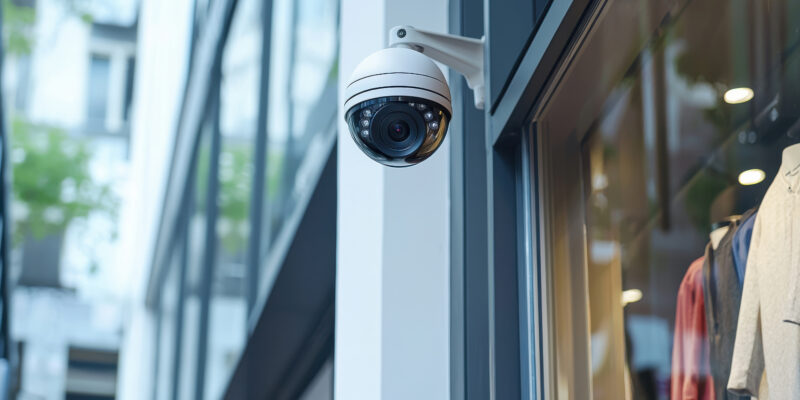
Professional outdoor security camera enhances safety

How New Jersey Small Businesses Can Choose the Right Security System

Small businesses across Northern and Central New Jersey need security systems that match their risks, building layouts, and operational demands. At Maffey’s Security Group, we help organizations throughout North and Central NJ implement reliable, scalable solutions that provide long-term protection and operational stability. Choosing the right system early helps prevent security gaps, reduce liability, and support smooth daily operations as your business grows.

Key Takeaways

  • A complete small-business security system combines intrusion detection, CCTV surveillance, and access control for layered protection.
  • Businesses across Northern and Central NJ face risks tied to mixed-use buildings, high-traffic corridors, and multi-tenant properties.
  • Professional systems require careful planning, proper design, and ongoing monitoring to ensure reliable long-term performance.
  • Licensed providers ensure compliance, reliability, and long-term service support.
  • Scalable and integrated systems support business growth without costly replacements.

Key Features New Jersey Businesses Should Prioritize in Security Systems

The right features ensure reliable protection and operational efficiency. Businesses across Northern and Central New Jersey benefit from integrated, professionally designed systems that comply with the New Jersey Fire Alarm, Burglar Alarm, and Locksmith Licensing Act. Prioritizing the right technologies helps reduce risk, improve visibility, and streamline facility management across multiple locations.

Intrusion Detection, CCTV, and Access Control Integration

A reliable small-business security system combines commercial alarm systems, CCTV systems, and access control into one unified platform. This integration reduces false alarms and improves situational awareness. It also enables business owners and property managers to manage security from a single interface. Integrated systems further enhance communication with tools like intercoms and paging systems.

Across North and Central NJ, many commercial properties operate in dense downtown areas or along major highways. Integrated systems ensure authorized entries do not trigger alarms and video footage aligns with access events. This streamlined approach improves response times, strengthens oversight, and simplifies security management for expanding organizations.

Commercial-Grade Surveillance and Perimeter Protection

Effective CCTV systems provide more than deterrence. They create valuable evidence for liability protection and insurance claims. According to the Bureau of Justice Statistics, surveillance and layered security help deter and resolve property crimes. For businesses throughout Northern and Central NJ, properly placed cameras ensure complete coverage of entrances, parking areas, loading docks, and interior spaces.

Pairing them with perimeter controls and technologies like automatic operators strengthens entry security.

Outdoor security is especially important for facilities with parking areas, loading docks, and after-hours activity. High-resolution cameras with night vision and remote access allow business owners and managers to monitor operations in real time. This visibility enhances safety, supports incident investigations, and improves overall operational accountability.

Type of Systems and Physical Security Hardware

Wired systems deliver stable, interference-free performance for permanent installations. Wireless systems work well in leased or historic properties where running cables is impractical. Both options can deliver commercial-grade performance when professionally designed and installed. The right choice depends on building structure, business operations, and long-term occupancy plans.

Combining electronic security with commercial-grade locks, reinforced door hardware, safes, and vaults creates a comprehensive, layered approach. This strategy aligns with guidance from the Cybersecurity and Infrastructure Security Agency. Physical security measures ensure that even if a breach is attempted, assets remain protected and risks are minimized.

Steps to Assess Needs, Budget, and Plan Professional Installation

A structured approach ensures long-term value and reliable performance. Proper planning helps businesses avoid security gaps, control costs, and maintain compliance with New Jersey regulations. By evaluating risks and planning for future growth, businesses can invest confidently in systems that deliver lasting protection.

Conduct a Professional Security Audit

A professional security audit identifies vulnerabilities across entry points, interior areas, and exterior zones. In Elizabeth, NJ, mixed-use buildings and varied construction styles are common, making detailed assessments essential. Security professionals evaluate lighting, access points, traffic flow, and existing infrastructure to design an effective solution.

This process ensures optimal placement for alarms, cameras, access control, and communication systems. It also helps businesses prioritize upgrades based on risk level and operational needs, resulting in a more efficient and cost-effective security strategy.

Budget for Total Cost of Ownership and Compliance

Smart budgeting includes more than initial installation considerations. Businesses should factor in permits, inspections, monitoring services, preventive maintenance, and future expansion. A well-planned security system supports operational continuity and long-term reliability.

New Jersey regulations and municipal ordinances may require alarm permits and compliance with building codes. Investing in a professionally installed and maintained system reduces false alarms and helps ensure consistent performance over time. Maffey’s Security Group can assist with a consultation, contact us.

Choose a Scalable Provider With Reliable Service

A dependable provider offers ongoing maintenance, responsive support, and scalable solutions that grow with your business. Businesses throughout Northern and Central NJ often expand into new locations or add staff over time. A scalable system allows for the seamless addition of cameras, doors, users, and locations.

Equally important is choosing a provider that services what they install. Fast response times, preventive maintenance, and expert support ensure your system remains reliable, compliant, and effective throughout its lifecycle.

Protect Your Elizabeth, NJ Business With a Security System Built to Last

Strong security begins with the right partner. Choose a provider that understands the operational, regulatory, and technological needs of New Jersey businesses and delivers dependable, long-term solutions.

Maffey’s Security Group has protected commercial properties since 1910 with expertly designed and professionally installed security solutions. Our team provides intrusion detection, CCTV, access control, monitoring, and commercial locksmith services. Ready to enhance your security? Contact us today to schedule a site assessment or call 908-351-1172.

Frequently Asked Questions

What is the best security system for a small business in New Jersey?

The best system integrates intrusion detection, CCTV, and access control. A licensed provider evaluates your facility and risks to design a compliant, scalable solution that delivers reliable, long-term protection.

How much does a small business security system cost?

Costs vary based on building size, system complexity, monitoring needs, and compliance requirements. A professional assessment helps determine the right configuration and long-term service plan for your specific facility.

Should I choose a wired or wireless security system?

Wired systems offer maximum reliability for permanent locations. Wireless systems suit leased or historic spaces. A professional assessment ensures the right solution for your building and long-term operational needs.

Do I need a licensed contractor for security system installation in New Jersey?

Yes. New Jersey requires licensed contractors for commercial security installations. Maffey’s Security Group operates as Continental Fire & Safety Service under NJ Fire, Burglar, & Locksmith License #34AL00005300. Licensed providers help ensure compliance, support insurance requirements, and deliver reliable, professional service
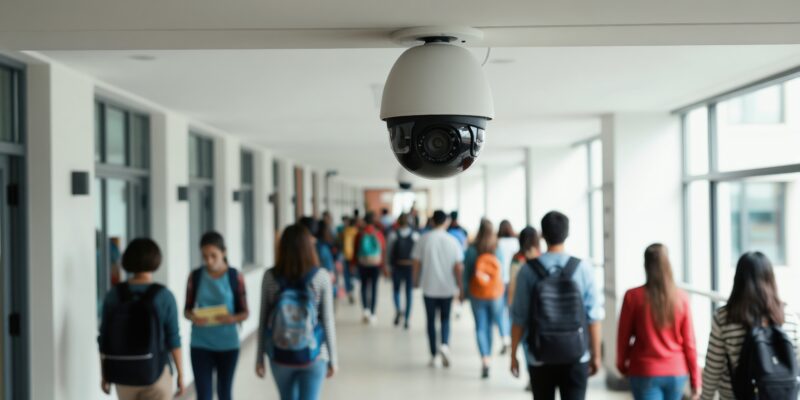
Dome security camera watches diverse students walking in school hallway.

What Alyssa’s Law Requires From New Jersey School Security Systems

Schools across NJ, including Elizabeth in Union County, must meet strict security standards under Alyssa’s Law. At Maffey’s Security Group, we help educational facilities implement compliant and reliable panic alarm systems. Our solutions enhance safety, streamline communication, and support rapid emergency response across modern school environments. This law is transforming how districts design, manage, and maintain integrated emergency communication and security infrastructure.

Key Takeaways

  • Alyssa’s Law requires all New Jersey public K-12 schools to install silent panic alarms connected directly to law enforcement.
  • Systems must meet NFPA and UL standards and be installed by a licensed New Jersey alarm installer.
  • Schools can choose wall-mounted buttons, wearable devices, or mobile app-based panic solutions.
  • Compliance requires documentation through the NJDOE EWEG system and routine system testing.
  • Integrated technologies like access control, CCTV, and intercoms strengthen overall school security systems.

Key Security System Requirements Under New Jersey Alyssa’s Law

New Jersey school security systems must provide fast, dependable communication with law enforcement during emergencies. Effective solutions combine panic alarms with technologies like access control systems and CCTV systems. This layered approach improves situational awareness, response speed, and overall campus safety while supporting coordinated incident management.

What the Law Requires

Alyssa’s Law mandates that every public K-12 school building in New Jersey have at least one silent panic alarm. Staff must activate the alarm manually during an emergency. The signal must notify law enforcement without producing audible noise within the building. These systems often integrate with commercial alarm systems to create a unified and highly responsive security infrastructure. Proper placement ensures rapid activation from classrooms, offices, and critical operational areas.

Direct Connection to Law Enforcement

Compliance requires a direct and dependable connection to local law enforcement agencies. Schools must coordinate with police departments to confirm compatibility with dispatch and emergency response systems. Reliable, campus-wide communication is equally important during critical events. Integrated intercom and paging systems enable administrators to deliver clear, real-time instructions. This coordination reduces confusion, improves response efficiency, and enhances overall emergency management.

Approved Technologies and Standards

Panic alarm systems must comply with nationally recognized safety and performance standards. The National Fire Protection Association and UL Solutions define essential requirements for reliability and system integrity. Installation must be completed by a licensed New Jersey alarm contractor to ensure full compliance. Supporting technologies, such as automatic door operators, enhance controlled access and enable faster, safer lockdown procedures. These integrated systems create a resilient and scalable school security environment.

Next Steps for New Jersey Schools Planning Compliant Panic Alarm Systems

Achieving Alyssa’s Law compliance requires structured planning and cross-department coordination. School leaders must align security strategies with operational needs and regulatory requirements. Guidance from the New Jersey Department of Education helps districts implement effective and compliant security programs. Proactive planning minimizes disruptions, improves adoption, and ensures consistent performance across all school facilities.

Conducting a Facility Assessment

A comprehensive facility assessment establishes the foundation for an effective security strategy. Schools should evaluate building layouts, communication infrastructure, and wireless coverage. Assessments must include classrooms, administrative offices, athletic facilities, portable units, and outdoor areas. Identifying coverage gaps ensures panic alarm systems and supporting technologies function reliably across the entire campus. This process also supports accurate budgeting and informed decision-making.

Coordination, Documentation, and Funding

Districts must document compliance through the NJDOE EWEG Homeroom system. Early coordination with local law enforcement ensures seamless integration and faster emergency response. Schools should also evaluate available funding sources, including the Securing Our Children’s Future Bond Act and federal grant programs. Strategic planning improves eligibility for funding and supports the deployment of scalable New Jersey school security systems that adapt to future needs.

Training, Testing, and Ongoing Maintenance

Alyssa’s Law requires panic alarm systems to be tested at least twice per year. Routine testing verifies performance and ensures continuous compliance. Staff training builds confidence and promotes swift, accurate responses during emergencies. Ongoing professional maintenance helps prevent system failures and extends equipment lifespan. Together, these practices ensure long-term reliability and operational readiness across all school facilities.

Protect Your School With Maffey’s Security Group

Maffey’s Security Group has proudly protected organizations throughout New Jersey since 1910. Our team designs, installs, monitors, and maintains advanced New Jersey school security systems tailored to Alyssa’s Law requirements. We deliver dependable solutions backed by local expertise, responsive service, and long-term support.

Ready to strengthen your school’s safety and compliance strategy? Contact us today or call 908-351-1172 to schedule a professional security assessment.

Frequently Asked Questions

Does Alyssa’s Law apply to private schools in New Jersey?

Alyssa’s Law applies only to public K-12 schools in New Jersey. However, many private schools voluntarily implement compliant panic alarms and integrated security systems to enhance safety and align with established security best practices.

What qualifies as a compliant panic alarm system?

A compliant panic alarm is silent, manually activated, and directly connected to local law enforcement. It must meet NFPA and UL standards and be installed by a licensed New Jersey alarm installer.

Can existing security systems be upgraded for compliance?

Yes, many existing school security systems can be upgraded with compliant panic alarm features. A licensed New Jersey alarm installer can assess current infrastructure and recommend effective, compliant upgrade solutions.

How often must Alyssa’s Law panic alarms be tested?

Panic alarm systems must be tested at least twice per year. Schools should maintain detailed records of testing, training, and maintenance to demonstrate compliance and ensure consistent operational readiness.

Security Camera in Hallway

What Powers a Modern Commercial CCTV System Across New Jersey Facilities

Maffey’s Security Group designs and installs advanced commercial video surveillance systems across New Jersey, with deep expertise throughout Northern and Central New Jersey. Our solutions deliver reliable visibility, stronger security, and seamless integration for modern commercial facilities. 

From office buildings and healthcare centers to warehouses and multi-site portfolios, today’s CCTV systems provide actionable intelligence that strengthens safety and streamlines operations. 

Businesses rely on these systems to deter threats, document incidents, and maintain full visibility across critical areas.

Key Takeaways

  • Modern commercial video surveillance systems rely on IP cameras, NVRs, and PoE infrastructure for scalable performance.
  • Night vision technologies deliver clear footage in low-light and no-light conditions.
  • Wired PoE systems provide stability, while wireless options support flexible deployments.
  • Effective planning includes site walks, storage analysis, and network evaluation.
  • Integration with access control and alarm systems improves response and operational efficiency.

Core Components That Power Modern CCTV Systems

Understanding CCTV technology helps New Jersey facility managers achieve reliable, scalable, and long-term security performance. These systems align with recognized standards from the National Institute of Standards and Technology. When properly designed, each component works together to deliver clear footage, intelligent alerts, and dependable system uptime.

This coordinated approach ensures consistent protection across commercial environments of every size.

Camera Types and Strategic Placement

Dome cameras protect interior spaces such as offices, corridors, and reception areas. Bullet cameras secure perimeters, parking lots, and building exteriors with visible deterrence.

PTZ cameras monitor large areas like warehouses and distribution yards with dynamic zoom and movement. Proper lens selection and mounting height are essential for capturing usable detail.

Well-designed CCTV systems, combined with durable specialized hardware, ensure complete and reliable coverage across Northern and Central New Jersey, and surrounding commercial regions.

IP Systems, NVRs, and PoE Infrastructure

IP-based surveillance systems deliver superior image quality, scalability, and remote accessibility. Network Video Recorders manage video streams efficiently while enabling advanced analytics and secure storage.

Power over Ethernet simplifies installation by delivering power and data through a single cable. Managed switches and VLAN configuration further enhance performance and security. This streamlined approach improves reliability, reduces infrastructure costs, and aligns with structured cabling standards from the Telecommunications Industry Association.

Night Vision and AI-Driven Analytics

Modern cameras use infrared illumination and starlight sensors to produce clear footage in near-total darkness. Wide dynamic range improves visibility in challenging lighting conditions such as entrances and loading docks.

AI-driven analytics distinguish between people, vehicles, and environmental motion, significantly reducing false alerts. These intelligent features enable faster investigations and smarter monitoring across multiple locations.

The approach aligns with security planning best practices from the Cybersecurity and Infrastructure Security Agency.

Key Planning Steps for CCTV System Success

A structured approach ensures commercial video surveillance systems perform reliably and scale with business growth across New Jersey facilities.

Proper planning minimizes blind spots, reduces long-term costs, and ensures seamless integration with existing infrastructure. It also improves user adoption and operational efficiency from the first day of deployment.

Conduct a Comprehensive Site Walk

A professional site walk evaluates lighting conditions, building layouts, traffic patterns, and potential vulnerabilities. It also reviews mounting surfaces, power availability, and environmental factors such as weather and vibration. This process identifies optimal mounting locations and cabling routes while eliminating coverage gaps. 

Across Northern and Central New Jersey, site assessments ensure surveillance systems deliver consistent and dependable performance from day one.

Evaluate Network Capacity and Storage Needs

High-resolution cameras generate significant data and require robust network infrastructure.

Proper evaluation includes bandwidth analysis, switch capacity review, and VLAN configuration when needed. Storage planning considers resolution, frame rate, compression, and retention requirements. Cloud and hybrid storage options can further enhance redundancy and accessibility.

These steps support seamless integration with commercial alarm systems and ensure stable, uninterrupted operation.

Design for Integration and Future Growth

Integrated security systems deliver greater visibility and faster response times.

Connecting CCTV with advanced access control systems enables event-based video recording and real-time verification. Integration with building management and monitoring platforms can further enhance operational insight.

Planning for future expansion with spare network capacity and scalable recorders allows New Jersey businesses to grow without costly system overhauls or operational disruptions.

Upgrade Your Commercial Video Surveillance System With Confidence

Maffey’s Security Group delivers expertly designed commercial video surveillance systems throughout Northern and Central New Jersey, including Union County, Essex County, Middlesex County, and Somerset County. 

Our team manages every phase, from consultation and design to installation and long-term support. We tailor each solution to your facility, compliance requirements, and future growth plans.

With decades of experience and a commitment to reliability, we help organizations maintain secure, efficient, and well-monitored environments. Contact us to speak with a specialist and schedule a site assessment.

Frequently Asked Questions

What is the difference between an NVR and a DVR in a commercial surveillance. system?

An NVR connects to IP cameras over a network and supports advanced analytics and high-resolution video. A DVR connects to analog cameras using coaxial cable and offers fewer features and less scalability.

How much storage does a commercial CCTV system need?

Storage depends on camera count, resolution, frame rate, and retention goals. Most businesses require 30 to 90 days of storage, while regulated industries often need longer retention to meet compliance and security requirements.

Do commercial wireless video surveillance systems work for permanent installations?

Wireless systems work well in temporary setups or areas where cabling is impractical. However, wired PoE systems provide greater reliability, stronger security, and easier scalability, making them ideal for permanent commercial installations.

Is Maffey’s Security Group properly licensed in New Jersey?

Yes. Maffey’s Security Group operates under Continental Fire & Safety Service and holds NJ Fire, Burglar, & Locksmith License #34AL0000530. Proper licensing ensures commercial video surveillance systems are installed and serviced in compliance with New Jersey regulations.